
 Homepage

Bedwetting - what can it mean?
 11 September 2025
/
11 September 2025
/
 6 minutes
of reading
6 minutes
of reading
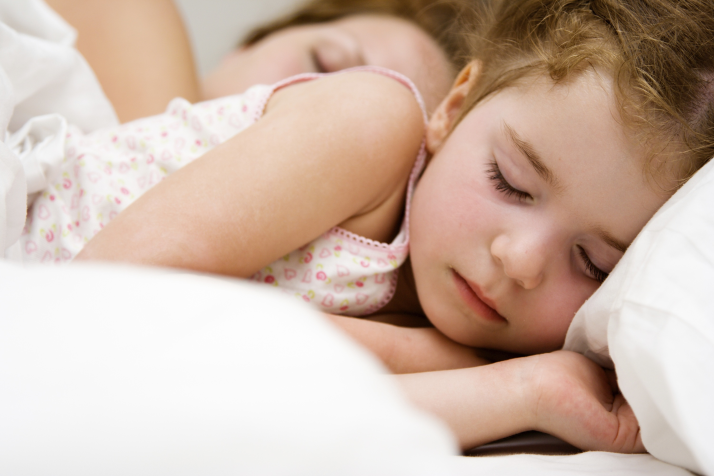
Nocturnal enuresis, commonly called bedwetting is the term for child’s involuntary urination while asleep, when it is able to control its physiological functions during the day.
What is bedwetting?
Nocturnal enuresis, commonly called bedwetting is the term for child’s involuntary urination while asleep, when it is able to control its physiological functions during the day. Usually when the problem still occurs past the age of 5 it is considered a medical condition. If bedwetting happens less than 3 times a week we are dealing with primary nocturnal enuresis.
Whom may bedwetting concern?
Bedwetting is common in children, and apart from allergic based diseases it is the most common chronic childhood health issue. It is more common in boys than girls, and the problem may pass with age.
Bedwetting
|
|
What causes bedwetting?
Apart from general causes of childhood bedwetting this disorder may have the following background:
- Genetic – latest research show that bedwetting has a strong genetic component. Scientists have isolated a gene responsible for bedwetting, and they discovered it is hereditary – the probability that the child is going to wet the bed is much higher if one or both of the parents were bedwetters;
- Daily urine production cycle disorder – instead of reducing it at night, urine production is increased – this is connected with the diminished production of the hormone responsible for regulating the cycle (vasopressin);
- Limited bladder capacity during sleep compared to its day time capacity;
- Wake up disorder – the child’s brain, due to developmental delay, doesn’t pass the information in time (or at all) about the necessity of urination, so the child doesn’t wake up and wets the bed in its sleep;
- Spinal cord or head injuries;
- Sleep apnoea;
- Traumatic episodes in one’s life, psychological problems, fear.
Bedwetting isn’t only a physiological issue. The child which experiences enuresis becomes more and more frustrated and doesn’t understand what is happening. The problem is more distressing as the child grows older. Sometimes even the parents can’t handle the problem. Mornings in families where there is a child who wets the bed are stressful and unpleasant. How to help it?
Diagnosis and treatment
Each child with urinary incontinence should be examined by a doctor. There are certain tests which need to be carried out in order to make a proper diagnosis. Maybe the bedwetting is caused by a curable ailment – after tackling such a health issue the unpleasant wet nights may become a thing of the past.
Usual examination carried out in order to make a diagnosis
- a general physical examination and a bacteriological urine test,
- marking of creatinine, sodium, potassium in blood serum,
- assessment of urine volume produced during the night and day done by the means of urine collection,
- observation of a child’s physiological behaviour by analysing the urinary diary,
- ultrasound scan of the abdomen with evaluation of how much urine stays in the bladder after urination.
The doctor should explain the reasons of bedwetting to the child and its parents. The doctor should also mention what can be done to treat the condition. It is very important that the child understands and accepts the suggested treatment. The better the child cooperates with its parents and the doctor, the better chance there is for limiting, or even eliminating bedwetting episodes.
What may the doctor suggest?
1. Non-pharmacological treatment
It is mainly based on bladder control training – first during the day and then during the night; the training may last up to a few weeks.
- Motivational treatment – rewarding the child for every dry night with complete withdrawing from punishing for wetting the bed – the child should help with cleaning the bed in the morning, but not as a punishment, but as a natural consequence of a bedwetting episode. It is advised to limit the use of diapers as they are anti-motivational;
- cutting down on drink consumption in the evenings and a visit to the toilet just before going to bed;
- frequent, regular bladder voiding in cases of a "lazy bladder";
- reminding the child to go to the toilet;
- using a bedwetting alarm, which wakes up the child reminding it to urinate; however, the aim of using it is to train the child to go through the night without urination.
2. Pharmacological treatment
It may take up to a few months. The medicine selection is aimed at one of the following targets:
- decreasing the volume of urine produced at night;
- increasing the bladder volume;
- making the sleep lighter, so the child can wake up in order to urinate.
One can say that the treatment is successful if the number of wet nights has been decreased by 90%.